WEAVE in Chittagong Hill Tracts, Bangladesh
20+ years of grassroots engagement in the Chittagong Hill Tracts, empowering Indigenous women and marginalized communities through sustainable development,gender equality, and community-driven social transformation.

Established: 2005
20+ Years Experience
Working Area: CHT
Focus: Women & Marginalized Groups

Background and Context
WEAVE, a CHT region based women led independent, non- Political, Non- profit, non-partisan and non-governmental organization. It was established in 2005 by a group of grass roots women who are socially dedicated and well educated philanthropists in CHT. Since its inception, it has been actively engaged in empowering, improvement and advancement of the poorer and deprived communities with special focus on girls and women, their dignity, uplifting of their socio-legal status, protection of child rights, and facilitating educational opportunities for girls and women. The Chittagong Hill Tracts (CHT) in Bangladesh is a region known for its distinct demographic composition, cultural diversity, and historical complexities. There are various tribes in this area, such as the Chakma, Marma,Tripura, Tanchangya, Khyang, Pangkhua etc., who differ from the Bengali majority of Bangladesh in their language, culture, physical appearance, religion, dress and farming methods. Presently WEAVE is working in Rangamati Hill District. Besides, WEAVE also worked in several upazilas of neighboring Chittagong District during 2016-2018. Most of the working areas of WEAVE are populated by the different small ethnic communities such as Chakma, Marma, Tripura, Tanchangya, Khiyang, Pankhua etc. and alongside the mainstream Bengali community. Most of the working areas are poverty and disaster prone. The people of these areas have to lead their life by struggling against landslide, soil erosion, water crisis and seasonal food crisis almost every year. Primarily, socio-economy of CHT is based on indigenous agriculture, which is quite different from that of plains in terms of basis, land use, methodology and practices. The unique method of agriculture in CHT is known as ‘Jum cultivation’ or Swidden Cultivation (slash and burn). The climate change has affected the productivity of farms and forests lowering community harvest and income. With livelihood getting more difficult in the CHT, Indigenous men and women are resorting to out-migration, seeking labour in Export Processing Zones (EPZs) within Chittagong and in the capital city of Dhaka. Most are joining the garment and other manufacturing sectors and security provides agencies. Most Indigenous communities are patriarchal. Hence, most women lack inheritance rights to properties. Indigenous women are particularly subjected to poverty, low nutrition levels and limited access to education. Most of the positions in the customary institutions are occupied by men. With men becoming increasingly involved in the political situation of the CHT, women have had to diversify their roles in the home, community and market place. Women not only carry out household activities, but also they are playing active role in agriculture and market based economies. They have taken a lead role in working in the Jum fields, maintaining home gardens and selling produces in the market place. Furthermore, women are not even paid equally for their labor in cultivation. The condition of CHT women needs to improve for ensuring good governance in the region.

WEAVE Vision
WEAVE strives towards a progressive and peaceful Chittagong Hill Tracts with High literacy rate and good governance that is free of discrimination and equal rights for men and women.
WEAVE Mission
To contribute to a progressive CHT through providing capacity building, peace building, gender equality, advocacy and income generation services for the people with special focus on women and marginalized groups in relevant sectors.
Goal
To create a society free from poverty where marginalized people, especially women and children enjoy better quality of life through social empowerment in a gender neutral and violence free environment.
WEAVE Working Sectors
Education
Health
Agriculture and Livelihood
Women Rights and Economic Empowerment
Child Rights Protection
Climate change
Gender Equality and Equity
Environment
Marketing Linkage
Good Governance
Culture
Legal Aid
Networking

Geographical Experience
WEAVE has implemented numerous development interventions tailored to the unique geographic, socio-cultural, and economic realities of the CHT, particularly targeting Indigenous women, girls, and marginalized rural populations.
WEAVE has extensive operational presence in the following upazilas of Rangamati Hill District in CHT:
- Rangamati Sadar
- Kawkhali
- Naniarchar
- Belaichari
- Langudu
- Chattogram
Its current and past projects demonstrate deep geographical engagement and alignment with the region’s development needs:

Empowering CHT Communities through Sustainable Livelihood
(July 2025- June 2028) Geographical focus: Langudu and Belaichari UpazilaThe project aims to improve the economic stability of vulnerable communities by creating sustainable livelihood opportunities and enhancing their capacity to generate income and secured essential resources.

Improved Menstrual Hygiene Practice and Economic Empowerment
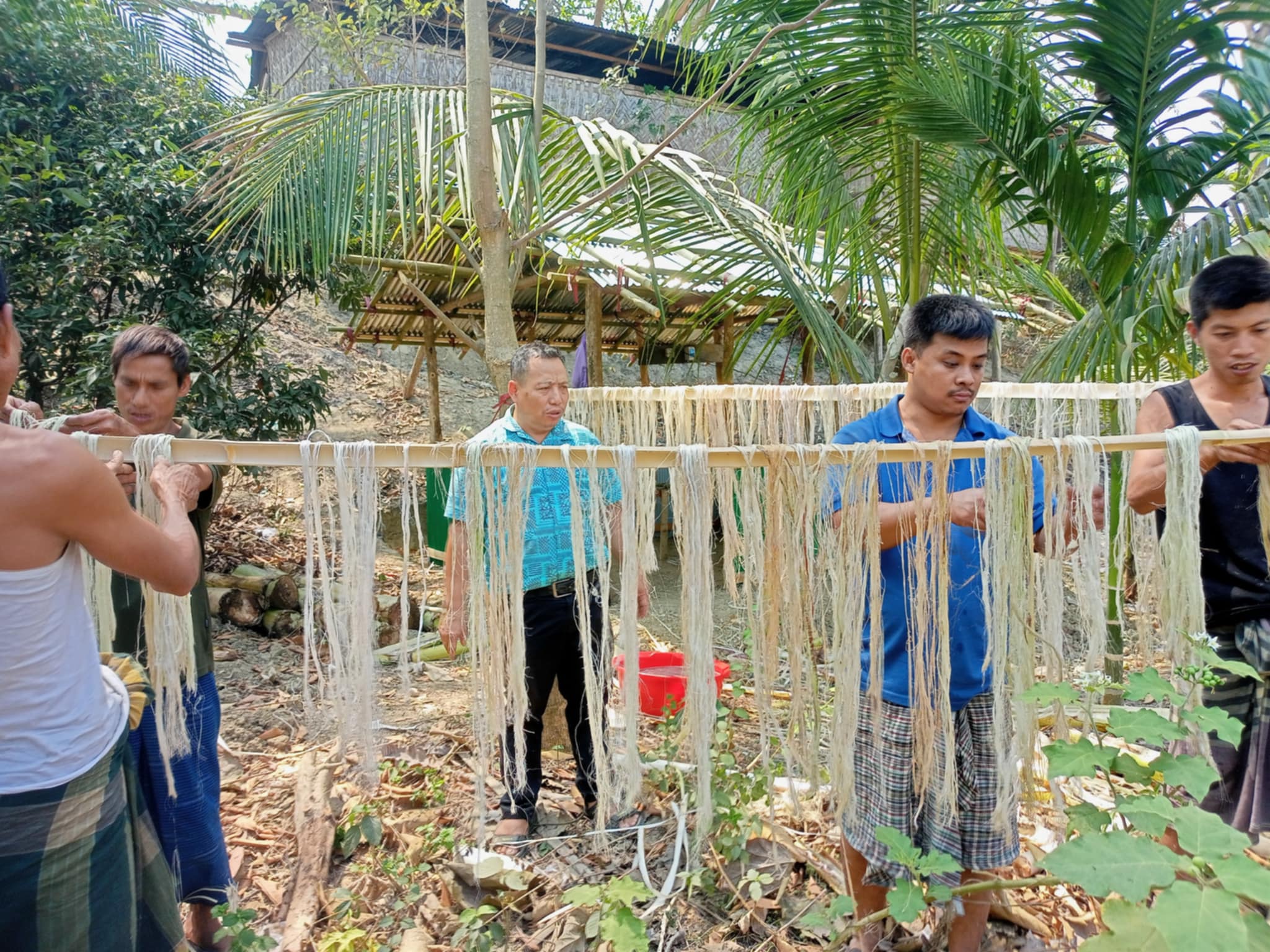
(September 2024–August 2025, funded by RSF Social Finance) Geographical focus: Rangamati Sadar and Kawkhali Upazilas.This innovative project combines menstrual hygiene management and sustainable agricultural livelihoods using banana fiber-based reusable sanitary pads and mushroom farming from banana plant waste. The project directly targets:
- 500 school-going adolescent girls in 6 high schools (3 in Rangamati Sadar, 3 in Kawkhali)
- 500 farmers (250 women, 250 men) trained in low-cost, eco-friendly mushroom cultivation using dried banana leaves.
Women Empowerment through Learning Leadership (WELL)
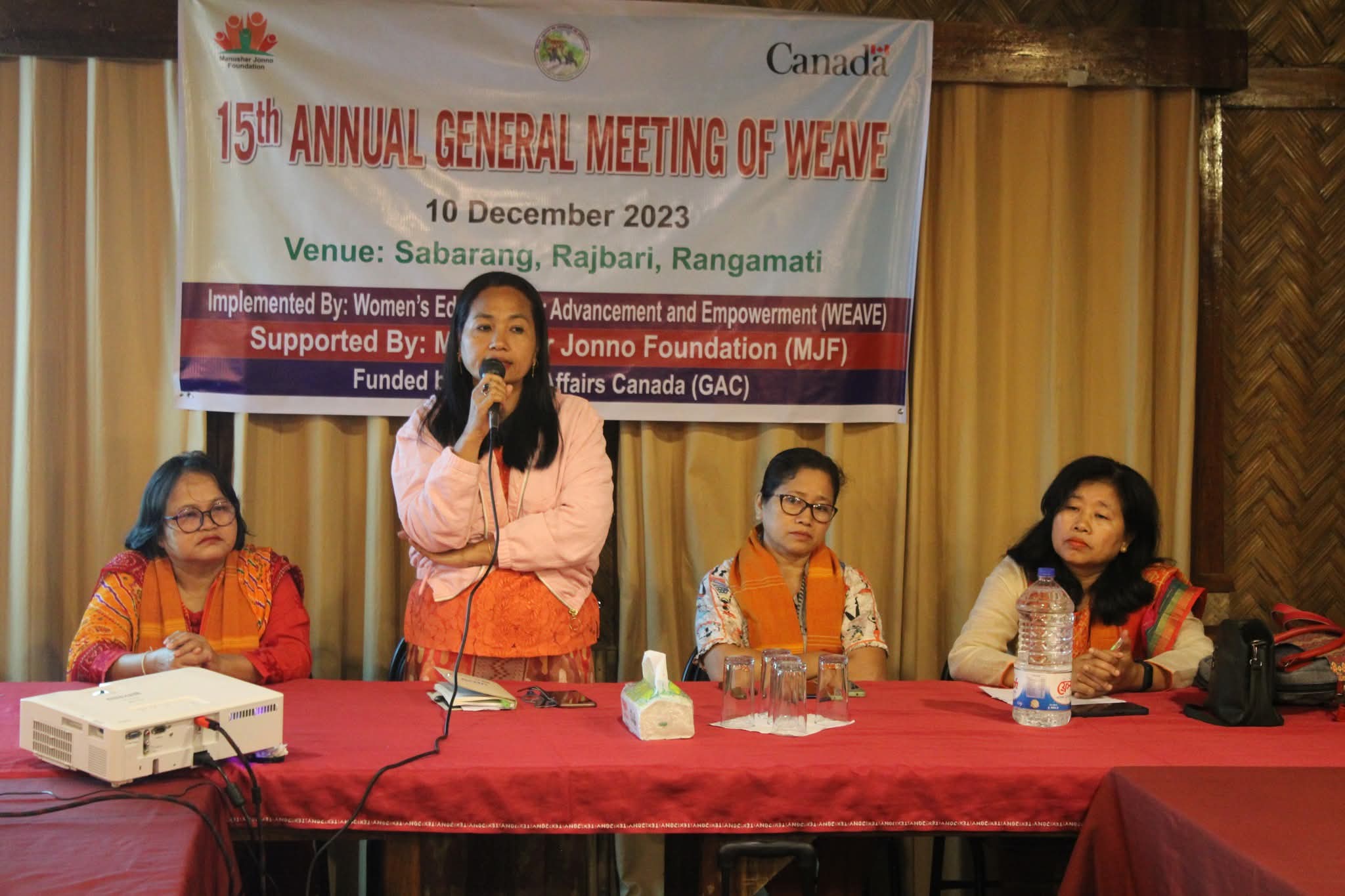
(2020–2023)Implemented in Rangamati Sadar and Kawkhali, this project focused on Indigenous women’s leadership development, access to services, and livelihood support. WEAVE worked closely with local governance institutions and traditional structures to build long-term community ownership.
Our Lives Our Health Our Futures (OLHF)
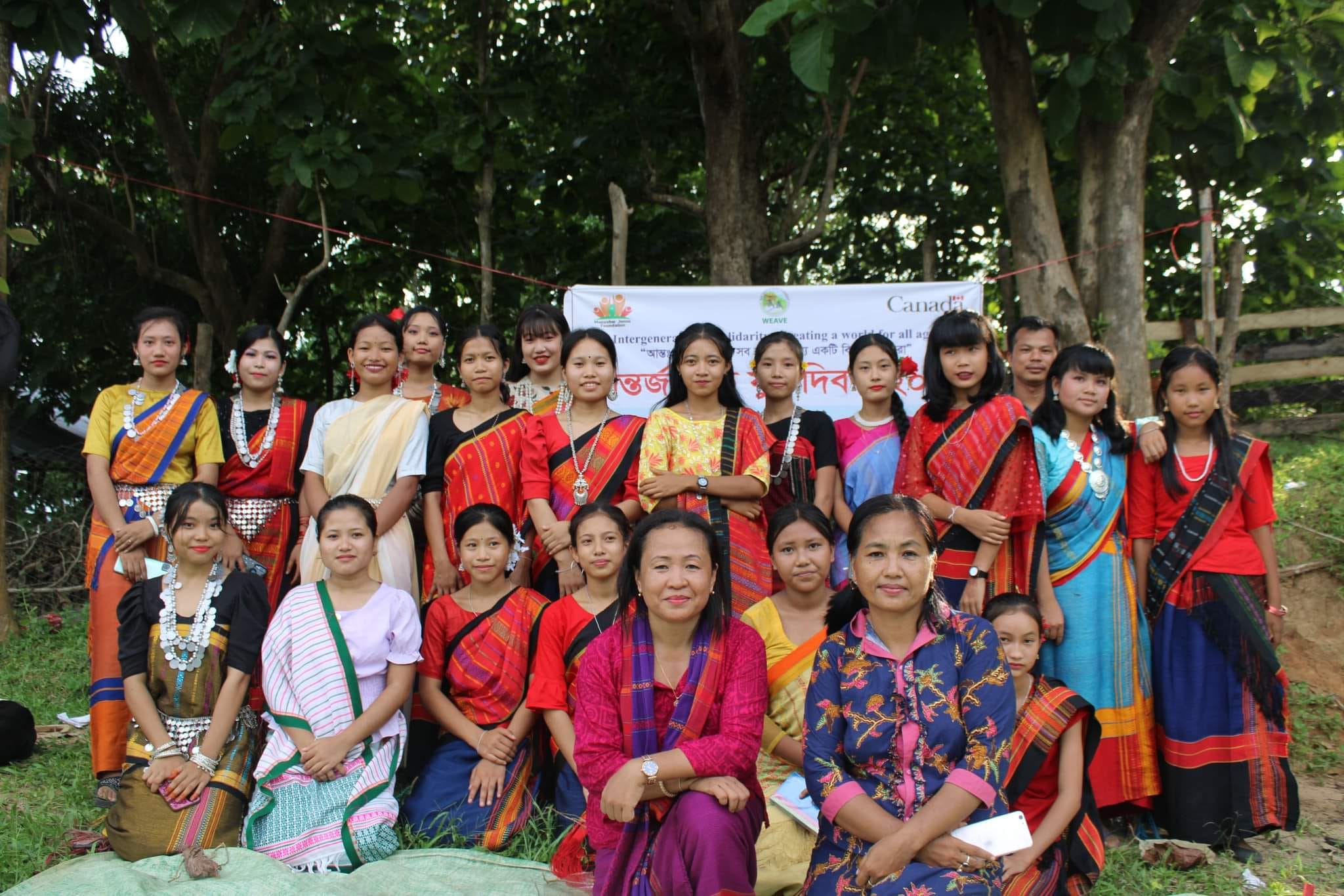
(2019–2023) Geographical focus: Kawkhali and NaniarcharThis adolescent and youth-centered project promoted SRHR awareness, WASH, and GBV prevention through school- and community-based interventions across 7 unions.
Traditional Knowledge Preservation Project
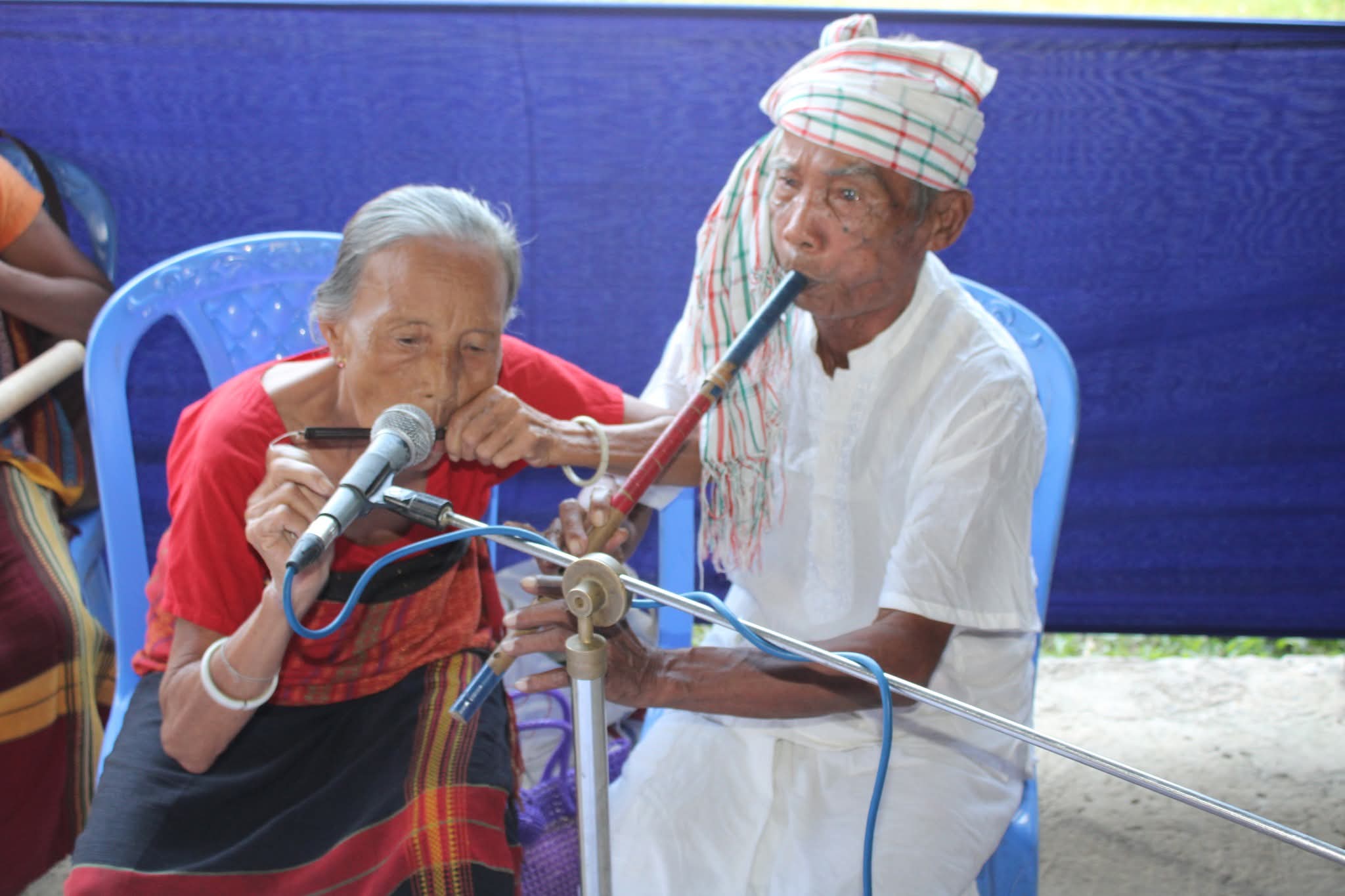
(2023)Implemented in Belaichari, the project documented and promoted traditional Indigenous practices related to food, seeds, Traditional sports, textiles, and handicrafts. It included Indigenous women artisans and youth from remote villages.

Right Here Right Now (RHRN)
(2021–2023)Implemented in Rangamati Sadar, Kawkhali, and Naniarchar, it promoted gender justice and youth leadership in policy advocacy for SRHR, involving community-based youth groups and civil society platforms.

Promoting Resources through Economic Empowerment of the Hilly Marginalized Communities of Belaichari, Rangamati.
(2020- 2023)Implemented in Belaichari Upazila, Rangamati it promoted socio-economic condition of the poor and marginalized community by availing earning opportunities through a process of self employment. With more than 18 years of continuous grassroots presence, WEAVE has developed strong community trust, particularly among the Chakma, Marma, Pangkhua and Tanchangya Indigenous groups. It works in close coordination with traditional institutions (Karbaris, Headmen), Hill District Councils, and local NGOs. WEAVE has successfully operated in hard-to-reach, hilly, and resource-constrained settings, demonstrating its capacity to deliver high-quality, inclusive programs in geographically complex areas.